Garage door springs are one of the most important — and most misunderstood — components of your garage door system. They do the heavy lifting every time your door opens and closes, keeping the system balanced, safe, and functional. Understanding how garage door springs work, how to maintain them, and when to call a professional can help you avoid sudden breakdowns, costly repairs, and serious safety risks.
What Garage Door Springs Do
Garage door springs counterbalance the weight of the door, allowing it to open smoothly either manually or with an opener. Without properly functioning springs, a garage door would be extremely heavy and dangerous to operate. Springs absorb most of the strain placed on the opener, tracks, and cables, making them essential to the overall health of the system.
There are two main types of garage door springs commonly used in residential and commercial properties: torsion springs, which are mounted above the door and wind tightly to lift it, and extension springs, which stretch along the sides of the door. Both are designed to handle heavy loads and repeated cycles, but neither lasts forever.
Why Garage Door Springs Fail
Garage door springs are rated for a certain number of cycles, with one cycle defined as opening and closing the door once. Over time, daily use causes metal fatigue. Temperature changes, moisture, lack of lubrication, and rust can all shorten a spring’s lifespan. Cold weather is especially hard on springs, as metal contracts and becomes more brittle, increasing the chance of sudden failure.
Eventually, even high-quality springs will break — often without warning.
Warning Signs of Spring Problems
Early detection can prevent emergencies and additional damage. Common signs of spring trouble include a loud bang from the garage, a door that won’t open or only lifts a few inches, a door that feels unusually heavy, uneven movement, or a visible gap in the spring coil. If your door suddenly drops faster than normal or looks crooked, the springs may already be failing.
Ignoring these signs can put extra strain on the opener and other components, turning a manageable repair into a much larger expense.
Maintenance Tips to Extend Spring Life
While springs will eventually need replacement, regular maintenance can help them last longer. Periodic lubrication with a garage door–specific lubricant reduces friction and corrosion. Keeping the door properly balanced and scheduling routine inspections allows small issues to be corrected before they lead to spring failure.
Avoid forcing the door open if it feels heavy or jammed, as this can accelerate wear and increase safety risks.
Safety: Why Spring Repairs Are Not DIY Projects
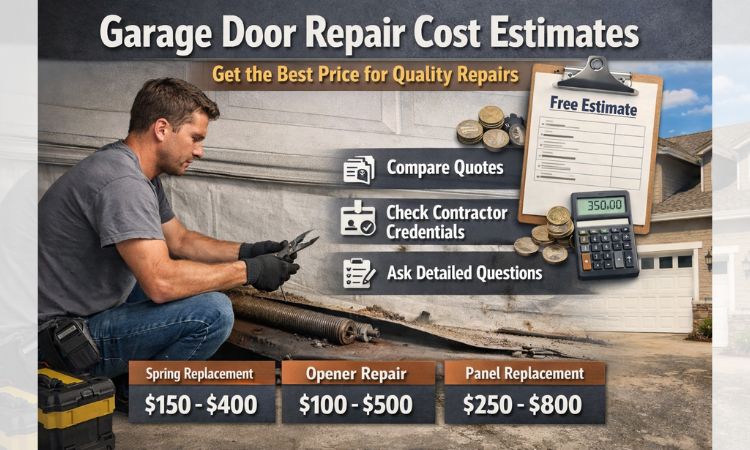
Garage door springs are under extreme tension. When they break or are handled improperly, they can cause severe injuries and property damage. Attempting DIY spring repair is strongly discouraged, even for experienced homeowners. Specialized tools, proper measurements, and precise tensioning are required to replace springs safely.
Professional technicians are trained to remove broken springs, install the correct replacements, balance the door, and inspect related components like cables and rollers to ensure safe operation.
When to Call a Professional
Any suspected spring issue should be handled by a qualified garage door technician. Prompt professional repair restores safe operation, prevents further system damage, and protects your property. Trusted local specialists such as Queens NY Garage Door Repair provide expert spring replacement, safety inspections, and maintenance services designed for long-term reliability.
Final Thoughts
Garage door springs may be out of sight, but they should never be out of mind. Proper maintenance, early attention to warning signs, and professional repair are essential for safety and performance. By understanding how springs work and treating them with care, you can keep your garage door operating smoothly and avoid unexpected breakdowns that disrupt your day.