Your garage door cables do the heavy lifting—literally. When they snap, fray, or come loose, your door won’t work safely. If you’ve noticed your garage door hanging crooked, heard a loud snap, or seen cables dangling, you need garage door cable replacement fast.
This guide walks you through everything about garage door cable replacement: warning signs, costs, the replacement process, DIY vs professional installation, and how to prevent cable problems before they happen.
What Are Garage Door Cables and Why Do They Matter?
Garage door cables are thick steel wires that work with your springs to lift and lower the door. They run along both sides of the door, connecting to the bottom brackets and winding around drums at the top.
Think of cables as the muscle that keeps your door balanced and safe. Springs provide the force, but cables control the movement. When cables fail, the entire system fails—and it can be dangerous.
The Job of Garage Door Cables:
- Support the door’s weight (usually 200-400 pounds)
- Keep the door balanced as it opens and closes
- Prevent the door from falling if a spring breaks
- Work with springs to distribute lifting force evenly
Without functioning cables, your garage door becomes a serious safety hazard.
Signs You Need Garage Door Cable Replacement
Cables don’t always break suddenly. They usually show warning signs first. Here’s what to watch for:
1. Visible Cable Damage
Look at your cables. If you see:
- Fraying or unwinding strands
- Rust or corrosion
- Kinks or bends
- Loose or slack cables
You need garage door cable replacement soon.
2. Door Hanging Crooked
If one side of your door is higher than the other when opening or closing, a cable is probably loose or broken.
3. Heard a Loud Snap
A sharp snapping or banging sound from your garage usually means either a spring or cable broke. If the door won’t move after that sound, don’t touch it—call a professional.
4. Door Won’t Open or Close Properly
When cables fail:
- Door only opens a few inches
- Door drops suddenly
- Opener runs but door doesn’t move
- Door feels unbalanced
5. Cables Off the Drum
If cables came off the winding drum at the top of the door, the system can’t function safely.
6. Grinding or Scraping Noises
Worn cables can make grinding sounds as they rub against damaged parts.
What Causes Garage Door Cables to Break?
Understanding why cables fail helps you prevent future problems.
- Normal Wear and Tear: Cables last 8-12 years with regular use. Every time you open and close your door, cables flex and bear weight. Eventually, they wear out.
- Broken Springs: When a spring breaks, cables often snap too because they suddenly carry the full weight of the door without the spring’s support.
- Rust and Corrosion: Moisture, especially in humid climates or coastal areas, causes rust. Rusted cables weaken and break more easily.
- Poor Maintenance: Lack of lubrication and inspections means small problems become big failures.
- Improper Installation: Wrong cable size or incorrect installation causes premature failure.
- Extreme Temperatures: Cold weather makes cables brittle. Hot weather can cause excessive expansion and stress.
- Door Impact: Hitting the door with a car or heavy object can damage cables.
Garage Door Cable Replacement Cost: What to Expect
The cost of garage door cable replacement varies based on several factors.
National Average Costs (2026)
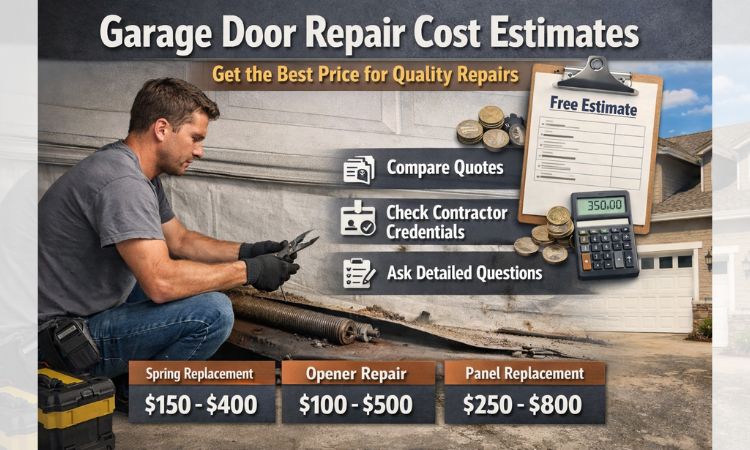
- Single cable replacement: $150-$200
- Both cables replacement: $200-$350
- Emergency/same-day service: Add $75-$150
- Cable + spring replacement: $300-$500
Cost Factors:
Location Prices are higher in major cities like New York, Los Angeles, Chicago, Boston, and San Francisco. Expect to pay 20-40% more in metro areas.
Cable Type
- Standard cables: $15-$30 per cable
- Heavy-duty/high-cycle cables: $40-$75 per cable
- Commercial-grade cables: $75-$150 per cable
Door Size
- Single garage door: Lower cost
- Double garage door: Higher cost (larger cables, more labor)
Additional Repairs: If the cable damaged other parts (drums, bearings, bottom brackets), expect higher costs.
Time of Service: Weekend, evening, or emergency service costs more than regular business hours.
Why Professional Installation Matters
While the cable itself might only cost $20-30, professional installation is worth it:
- Cables are under extreme tension (200+ pounds)
- Wrong installation causes immediate failure
- Safety risk of door falling
- Proper tensioning requires experience
- Related components need inspection
Trying to save $100-150 on labor can result in injury or hundreds more in damage.
Types of Garage Door Cables
Not all garage door cables are the same. The right type depends on your door system.
1. Torsion Spring Cables
Used with torsion spring systems (springs mounted above the door):
- Run from bottom brackets up to drums
- Typically 1/8 inch or 3/32 inch diameter
- Most common in residential garages
- Last 8-12 years with proper maintenance
2. Extension Spring Cables (Safety Cables)
Used with extension spring systems (springs along the tracks):
- Run through the center of extension springs
- Prevent broken springs from flying loose
- Critical safety component
- Usually 1/8 inch to 1/4 inch diameter
3. Emergency Release Cables
Connect your garage door opener’s emergency release to the trolley:
- Allow manual operation during power outages
- Usually lighter gauge
- Rarely need replacement unless damaged
Cable Length and Size
Cables must match your door:
- 7-foot door: Approximately 10-12 foot cables
- 8-foot door: Approximately 12-15 foot cables
- 9-foot door: Approximately 15-18 foot cables
- Commercial doors: Custom sizing required
Using the wrong size cable causes immediate system failure.
The Garage Door Cable Replacement Process
Understanding the process helps you know what to expect when hiring a professional.
Step 1: Safety First
The technician will:
- Disconnect the garage door opener
- Secure the door with clamps
- Release spring tension safely
- Ensure nothing can move unexpectedly
Step 2: Remove Broken Cables
- Unwinding cables from drums
- Removing cables from bottom brackets
- Inspecting all related hardware
- Checking for additional damage
Step 3: Install New Cables
- Threading new cables through drums
- Securing cables to bottom brackets
- Ensuring proper positioning and alignment
- Double-checking cable routing
Step 4: Tension and Balance
- Properly tensioning cables
- Balancing the door
- Testing spring and cable coordination
- Making fine adjustments
Step 5: Safety Testing
- Testing door operation multiple times
- Checking balance (door should stay in place halfway open)
- Verifying smooth, quiet operation
- Testing emergency release function
- Reconnecting and testing opener
Step 6: Final Inspection
- Lubricating all moving parts
- Checking for any other worn components
- Providing maintenance recommendations
- Explaining warranty coverage
Most garage door cable replacement takes 1-2 hours for a professional technician.
DIY vs Professional Garage Door Cable Replacement
Can you replace garage door cables yourself? Technically yes, but here’s what you need to know.
Why DIY Cable Replacement Is Dangerous
High Tension System Garage door cables are under 200-400 pounds of tension. If released suddenly:
- Cables can whip and cause severe injuries
- Door can fall and crush anything below
- Springs can snap and become projectiles
Specialized Tools Required
- Winding bars (wrong size causes injury)
- Proper clamps and securing equipment
- Cable tensioning tools
- Safety equipment
Technical Knowledge Needed
- Understanding spring systems
- Proper cable tensioning techniques
- Door balancing procedures
- Safety protocols
When DIY Might Be Possible
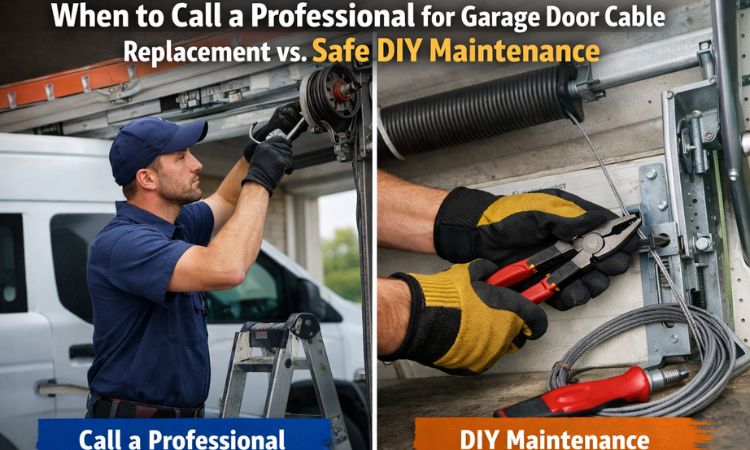
The ONLY time DIY cable work is relatively safe is for extension spring safety cables (the ones running through extension springs). These aren’t under the same dangerous tension.
For torsion spring cables—the ones that lift the door—always hire a professional.
Professional Garage Door Cable Replacement Benefits
- Safe removal and installation
- Proper tools and equipment
- Experience spotting related problems
- Warranty on parts and labor
- Insurance coverage for accidents
- Faster, correct installation
- Door balancing expertise
The $150-250 you pay for professional service buys safety, expertise, and peace of mind.
How to Find a Reliable Garage Door Cable Replacement Service
Not all garage door companies are equal. Here’s how to find a good one.
What to Look For:
1. Licensing and Insurance
- Proper business license
- Liability insurance
- Workers’ compensation coverage
2. Experience
- At least 5+ years in business
- Technicians with proper training
- Positive track record
3. Reviews and Reputation
- 4+ stars on Google, Yelp, BBB
- Recent positive reviews
- Responses to negative feedback
4. Transparent Pricing
- Written estimates before work begins
- Clear explanation of costs
- No hidden fees
- Upfront pricing on their website
5. Warranty Coverage
- Parts warranty (usually 1-3 years)
- Labor warranty (usually 1 year)
- Written warranty terms
6. Local Service
- Serves your area
- Fast response times
- Familiar with local building codes
Questions to Ask Before Hiring:
- “What’s included in the estimate?”
- “Do you offer same-day or emergency service?”
- “What warranty do you provide on parts and labor?”
- “Will you inspect the entire door system, not just the cables?”
- “Do you guarantee your work?”
- “Are your technicians background-checked?”
Red Flags to Avoid:
- Door-to-door sales tactics
- Pressure to replace entire door system
- Extremely low prices (quality materials cost money)
- No physical business address
- Unwilling to provide references
- Cash-only payment
- No written estimate or contract
Preventing Garage Door Cable Problems
Regular maintenance prevents most cable failures and extends cable life.
Monthly Quick Checks (5 minutes)
Visual Inspection Look at both cables for:
- Fraying or broken strands
- Rust spots
- Kinks or bends
- Proper positioning on drums
Listen Unusual sounds during operation can indicate cable issues:
- Grinding
- Scraping
- Whipping sounds
Watch Observe your door:
- Opens and closes smoothly
- Stays balanced (doesn’t lean to one side)
- No jerking or stopping mid-cycle
Every 6 Months: Deep Maintenance
Lubrication
- Spray garage door lubricant on all moving parts
- Don’t use WD-40 (it’s a degreaser, not a lubricant)
- Light coating on cables (prevents rust)
- Wipe off excess
Hardware Check
- Tighten all loose bolts and screws
- Check bottom brackets (where cables attach)Questions to Ask Before Hiring
- Inspect cable drums and bearings
- Look for worn rollers or hinges
Balance Test
- Disconnect opener (pull red emergency release)
- Manually lift door to chest height
- Let go—door should stay in place
- If it falls or rises, springs/cables need adjustment
Professional Inspection Have a professional inspect your entire garage door system:
- Check cable condition and tension
- Inspect springs, rollers, tracks
- Test safety features
- Lubricate everything
- Make minor adjustments
Smart Habits to Extend Cable Life:
- Don’t slam the door closed
- Keep tracks clean and aligned
- Address small problems immediately
- Avoid hitting the door with vehicles
- Control temperature extremes if possible
- Keep garage dry to prevent rust
Garage Door Cable Replacement: Regional Considerations
Where you live affects cable maintenance and replacement needs.
Cold Climate Areas (Northeast, Midwest, Mountain States)
Challenges:
- Cold makes cables brittle
- Ice buildup causes extra stress
- Temperature swings accelerate wear
- Lubricants can thicken in extreme cold
Solutions:
- Use cold-weather lubricants
- Check cables more frequently in winter
- Keep garage insulated if possible
- Clear ice promptly
Humid and Coastal Areas (Southeast, Gulf Coast, Pacific Coast)
Challenges:
- Rust forms faster
- Salt air corrodes cables quickly
- Moisture accelerates deterioration
- Mold and mildew affect wooden components
Solutions:
- Lubricate more often
- Consider stainless steel or coated cables
- Inspect for rust monthly
- Keep garage ventilated
Hot, Dry Climates (Southwest, Desert Areas)
Challenges:
- Extreme heat causes expansion
- UV damage to rubber components
- Dust and sand in moving parts
- Rapid temperature changes between day/night
Solutions:
- Regular cleaning to remove dust
- Keep cables well-lubricated
- Shade garage from direct sun if possible
- Check for heat-related wear
Hurricane-Prone Areas (Florida, Gulf Coast, Atlantic Coast)
Challenges:
- High winds stress entire system
- Required reinforcements add weight
- Storm debris can damage cables
- Code requirements for wind ratings
Solutions:
- Use heavy-duty cables rated for hurricane doors
- Ensure proper installation of reinforcements
- Inspect after storms
- Consider backup manual operation
Emergency Garage Door Cable Situations
When cables break, quick action prevents injury and further damage.
What to Do If a Cable Breaks:
Immediate Steps:
- Stop using the door immediately
- Don’t try to open or close it
- Disconnect automatic opener
- Secure the area
- Keep people and pets away
- Don’t park under the door
- If door is open, prop it safely or close it manually if possible
- Don’t attempt DIY repairs
- Cable systems are under extreme tension
- Risk of serious injury
- Can cause additional damage
- Call a professional
- Explain the situation
- Ask about emergency service
- Get estimated arrival time
- Document for insurance
- Take photos of damage
- Note when problem occurred
- Keep all receipts
Can You Still Use Your Garage?
If the cable broke while the door was:
Closed: You can likely leave it closed safely, but don’t lock it from inside or you might get trapped. Use another entrance to your home.
Open: This is dangerous. The door could fall at any moment. Either:
- Have a professional come immediately to secure it
- If you must secure it yourself, use extreme caution with proper supports
Never attempt to:
- Force the door open or closed
- Disconnect or adjust springs
- Remove the broken cable
- Drive under a partially open door with broken cable
Common Garage Door Cable Replacement Questions
How long do garage door cables last?
Typically 8-12 years with normal use (3-4 cycles per day). Heavy use, harsh climates, or poor maintenance can shorten this to 5-7 years. Commercial doors with high-cycle cables can last 15-20 years.
Can I replace just one cable?
Technically yes, but it’s not recommended. Cables wear at similar rates. If one broke, the other is probably close behind. Replacing both saves money long-term and ensures balanced operation.
How much does garage door cable replacement cost?
$150-350 for residential doors, depending on location, door size, and whether you replace one or both cables. Emergency service adds $75-150. Major metros cost 20-40% more.
What’s the difference between torsion and extension spring cables?
Torsion cables lift the door and are under high tension. Extension spring safety cables prevent broken springs from becoming projectiles. Both are important, but torsion cables do the heavy lifting.
Can broken cables damage other parts?
Yes. When cables break:
- Door panels can bend or crack
- Rollers and hinges get damaged
- Tracks can bend from uneven weight
- Drums and bearings may need replacement
- Bottom brackets often need replacing
Is garage door cable replacement covered by homeowners insurance?
Usually only if cable failure resulted from a covered event (storm damage, fire, etc.). Normal wear and tear isn’t covered. Check your policy and document everything.
How often should I inspect garage door cables?
Monthly visual checks for fraying, rust, and damage. Professional inspection every 12 months, or every 6 months if you live in harsh climates or use your door heavily.
What happens if I ignore a fraying cable?
It will eventually break, often at the worst time. A broken cable can:
- Cause the door to fall suddenly
- Injure someone or damage vehicles
- Lead to expensive additional repairs
- Leave you unable to access your garage
Are cables and springs replaced together?
Not always, but often. If springs are old and cables break, replacing both makes sense. If cables fail but springs are relatively new, you might just replace cables. A good technician will assess and recommend honestly.
Can I upgrade to better quality cables?
Yes! High-cycle cables cost more but last longer and handle stress better. Ask about:
- Galvanized cables (rust-resistant)
- Aircraft-grade cables (strongest)
- Commercial-grade cables (for heavy doors)
Garage Door Cable Replacement vs Repair: When to Replace Your Entire Door
Sometimes cable replacement isn’t enough. Here’s when to consider a full door replacement:
Consider Full Door Replacement If:
- Door is 15-20+ years old
- Multiple components failing regularly
- Safety features are outdated
- Door is severely damaged
- Energy efficiency is poor
- Repair costs exceed 50% of replacement cost
- You want modern smart features
Stick with Cable Replacement If:
- Door is less than 10 years old
- Only cables are damaged
- Rest of system works well
- Door is still safe and secure
- You’re happy with appearance and function
A good technician will be honest about whether repair or replacement makes more sense.
The Bottom Line on Garage Door Cable Replacement
Garage door cables are critical safety components that keep your door operating smoothly and safely. When they fail, quick professional replacement is essential.