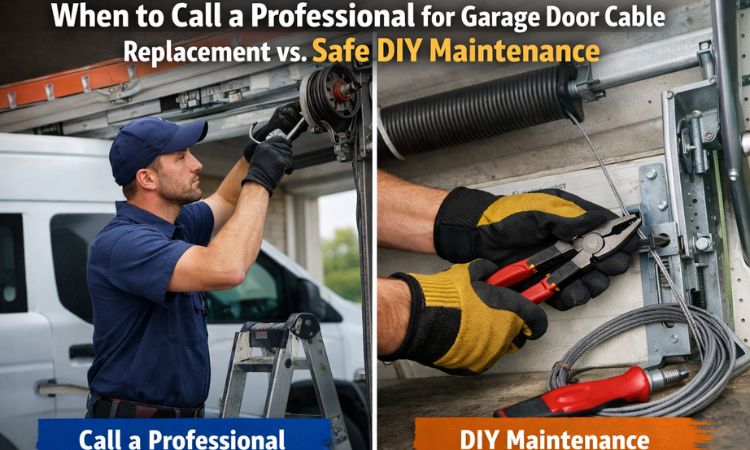
Knowing which garage door tasks you can safely handle yourself—and which require professional expertise—is essential for protecting both your home and your safety. While basic maintenance is homeowner-friendly, garage door cable replacement is never a DIY job.
Garage door cables operate under extreme tension. One mistake can result in serious injury, major property damage, or permanent door failure. That’s why cable replacement should always be handled by trained professionals with the proper tools and experience.
24/7 Emergency Garage Door Service
• 1-Hour Response Time
• Open Weekends & Holidays
• Licensed & Insured Technicians
Why Professional Garage Door Cable Replacement Is Essential
Garage door cables work in direct coordination with high-tension spring systems. When handled incorrectly, they can release stored energy instantly and violently.
Professional technicians bring:
- Specialized tools designed for safely releasing and resetting cable tension
- Extensive training with torsion and extension spring systems
- Precise knowledge of correct cable routing, balance, and tension
- Insurance coverage and strict safety protocols that protect you and your property
This is not a repair where “almost right” is good enough.
The Risks of DIY Garage Door Cable Replacement
Attempting cable replacement yourself can lead to:
- Sudden release of stored tension causing serious injury
- Door imbalance that leads to track damage or door collapse
- Damage to springs, drums, rollers, or opener components
- Voided manufacturer warranties
- Higher repair costs after improper installation
Even experienced DIY homeowners should never attempt this repair.
Professional-Only Garage Door Repairs (Never DIY)
High-Tension Component Work
- Garage door cable replacement (torsion or extension systems)
- Spring replacement or adjustment
- Cable drum repair or replacement
- Any work involving spring tension
Structural & Safety-Critical Repairs
- Track realignment requiring disassembly
- Opener motor replacement or internal repairs
- Sectional door panel replacement
- Bottom bracket repair or replacement (always under tension)
Safe DIY Garage Door Maintenance Tasks
While major repairs should be left to professionals, homeowners can safely perform routine maintenance that helps prevent failures.
Cleaning & Lubrication (Every 3–6 Months)
You can safely:
- Clean tracks with a damp cloth (do not lubricate tracks)
- Apply silicone-based lubricant to rollers, hinges, and springs
- Wipe down weather stripping and apply rubber conditioner
- Clean photo-eye sensors with a soft, dry cloth
This routine maintenance reduces wear and extends component life.
Visual Inspections (Monthly)
Check for early warning signs such as:
- Frayed or damaged cables (stop using the door immediately if seen)
- Worn rollers or loose hinges
- Loose mounting hardware
- Gaps or cracking in weather stripping
- Rust or corrosion on metal components
Early detection helps prevent emergency failures.
Tightening Loose Hardware (Safe When Done Correctly)
You may safely:
- Tighten roller bracket bolts
- Secure hinge screws
- Tighten track mounting brackets
- Check and secure opener mounting hardware
Important: Never adjust bottom brackets, cable drums, springs, or any hardware connected to the tension system.
Testing Safety Features
Perform these simple tests regularly:
- Photo-eye test: Place an object in the door’s path—the door should reverse immediately
- Auto-reverse test: Apply light resistance while the door closes—it should reverse
- Manual release test: Pull the release cord; the door should stay in place when partially open
If any test fails, stop using the door and schedule service.
Red Flags That Require Immediate Professional Service
Stop using your garage door and call a professional right away if you notice:
Cable-Related Issues
- Visible fraying, rust, or broken strands
- Cables hanging loose or off the drum
- Door lifting unevenly or tilting to one side
- Snapping, popping, or grinding noises
These are clear signs you need professional garage door cable replacement immediately.
Spring Problems
- Door feels unusually heavy
- Door won’t stay open
- Visible gaps in torsion springs
- Springs appear stretched or distorted
Spring and cable issues often occur together and should be addressed at the same time.
Operational Warning Signs
Additional issues that require professional attention include:
- Door slams shut or closes too quickly
- Grinding or scraping sounds
- Door jams or sticks frequently
- Wall button or remote becomes unreliable
Ignoring these symptoms often leads to larger, more expensive repairs.
Why Professional Service Is the Smart Choice
- Safety First: Dangerous components handled correctly
- Proper Repair: Correct tension, balance, and alignment
- Warranty Protection: Manufacturer warranties remain valid
- Time Savings: 30–60 minutes vs. hours of risky DIY attempts
- Full System Check: Other developing issues caught early
Professional service isn’t just safer—it’s more cost-effective long-term.
Recommended Garage Door Maintenance Schedule
- Monthly: Visual inspections and safety tests
- Quarterly: Cleaning and lubrication
- Annually: Professional inspection and tune-up
- Every 5–7 Years: Cable inspection and potential replacement
Bottom Line
Routine maintenance is homeowner-friendly—but garage door cable replacement is not. The risks are real, the tension is extreme, and the consequences of a mistake can be severe.
If you see cable damage, uneven operation, or hear unusual noises, stop using the door and schedule professional service immediately. It’s the safest way to protect your home, your garage door system, and yourself.