When your garage door refuses to close, it’s more than an inconvenience—it becomes a safety concern and a sign of underlying mechanical or electrical problems. Homeowners across Queens, NY frequently report issues like misaligned tracks, faulty sensors, and opener malfunctions, especially in older homes or those experiencing heavy daily usage. Understanding the root cause helps you avoid emergency breakdowns and know when to call a professional for garage door repair Queens.
Below, we break down the most common sensor and alignment problems and how they affect the door’s closing mechanism.
1. The Most Common Reason: Blocked or Dirty Garage Door Safety Sensors
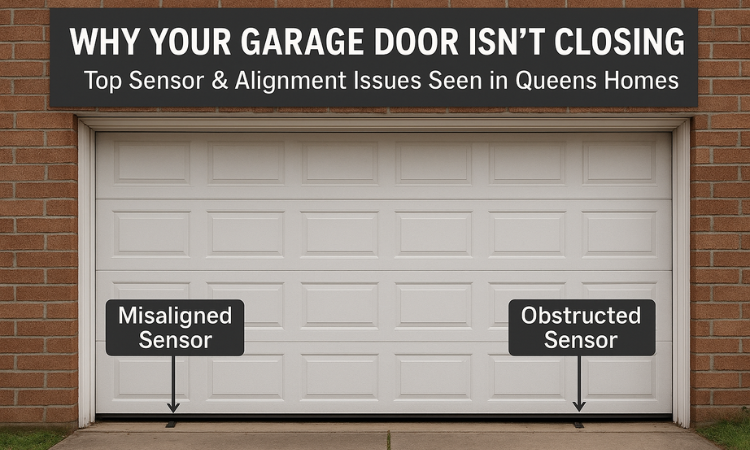
Modern garage doors use photo-eye safety sensors to prevent accidents. These sensors sit near the bottom of the door tracks and send an infrared beam between them. If anything interrupts the beam, the door stops or reverses.
Why Sensors Become Faulty in Queens Homes:
- Dust and debris buildup due to street traffic
- Salt from winter roads affecting the sensor lens
- Objects like trash bins or tools blocking the beam
- Kids or pets accidentally bumping the sensors
- Moisture or condensation during humid Queens summers
Quick Troubleshooting Tip:
Gently wipe the sensors with a microfiber cloth and ensure both LEDs are lit. If one light is blinking, the sensor is either blocked or misaligned.
2. Misaligned Photo-Eye Sensors: A Top Reason the Door Won’t Close
Even if the sensors are clean, misalignment can cause the infrared beam to miss its target. This is extremely common due to the everyday vibrations of opening and closing the door.
Signs of Misaligned Sensors:
- Garage door reverses immediately after you press close
- One sensor light is blinking or dim
- Door starts to close but goes back up
- You need to hold the wall button to force closing
These issues usually require adjustment by a professional trained in garage door service Queens, as incorrect handling may damage the wiring.
3. Damaged or Loose Sensor Wiring
Harsh weather in Queens—freezing winters, humid summers, and strong winds—can loosen or damage sensor wires. Pest activity in garages can also chew through cables.
Symptoms of Faulty Wiring:
- Intermittent garage door response
- Flickering sensor lights
- Opener making clicking sounds but not moving
If wiring is damaged, a trained technician must replace or reconnect the cables to restore safe operation.
4. Misaligned or Bent Garage Door Tracks
When tracks shift out of alignment, the garage door becomes uneven and won’t close smoothly. This is one of the most common alignment problems seen in busy neighborhoods like Astoria, Jamaica, Flushing, and Forest Hills.
Why Tracks Shift in Queens Homes:
- Vibrations from heavy street traffic
- Aged hardware loosening over time
- Corrosion from moisture and road salt
- Accidental hits from cars or storage items
Signs of Alignment Problems:
- Grinding or scraping noises
- Gaps between rollers and track
- Door looking crooked while closing
- Jerky movement or sudden stops
A misaligned track is a serious issue that requires immediate garage door repair to avoid bigger damage.
5. Obstructions on Tracks or Rollers
Small objects, fallen debris, or rust buildup can stop the door mid-movement. Queens garages often store tools, paints, strollers, and lawn equipment—any of which may obstruct the tracks.
Common problems:
- Dirt on garage door rollers
- Rusty metal parts
- Track dents from impact
- Worn-out rollers or hinges
Routine lubrication and cleaning reduce friction and ensure smooth movement.
6. Garage Door Opener Sensitivity Issues
Your opener has a built-in sensitivity setting that controls how much resistance the door can detect. If the sensitivity is too low, the opener may think the door is stuck and refuse to close.
Causes:
- Temperature fluctuations in Queens
- Aging openers losing calibration
- Motor strain from heavy wooden or insulated doors
A quick recalibration can solve the issue, but incorrect adjustments may damage the motor.
7. Broken or Worn-Out Garage Door Springs
Although many assume springs only affect opening, damaged torsion or extension springs can prevent smooth closing too.
Symptoms:
- Door drops too quickly
- Door feels heavy
- Loud popping noise
- Door stops halfway during closing
If you suspect a spring problem, avoid DIY fixes—springs carry extreme tension.
When You Should Call a Professional in Queens, NY
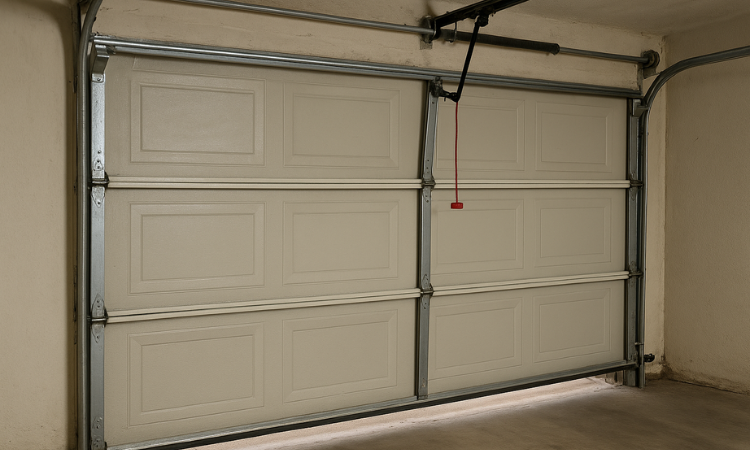
If your garage door isn’t closing even after checking for basic issues like obstructions or dirt, it’s time to call a trusted garage door repair Queens technician. Professional service ensures:
- Accurate diagnosis
- Safe sensor realignment
- Proper track corrections
- Replacement of damaged components
- Long-term reliability
Avoid forcing the door to close using the wall button—this bypasses safety features and can lead to accidents.
Final Thoughts
A garage door that won’t close is not just inconvenient—it’s a safety and security risk. Whether it’s misaligned sensors, damaged tracks, or opener malfunctions, understanding the root cause helps prevent recurring problems. Regular inspections and timely maintenance from a professional garage door service in Queens can keep your door functioning smoothly year-round.
 How to Get the Bes..